
About Us
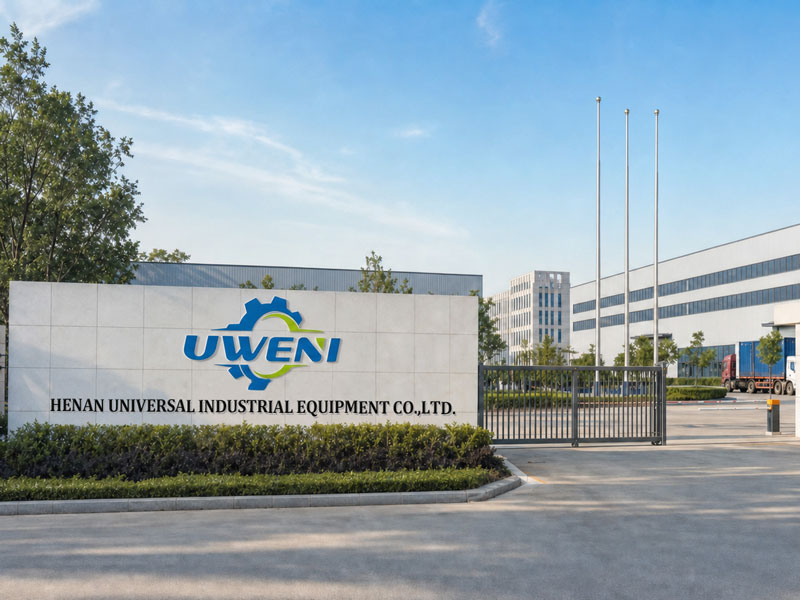
Henan Universal Industrial Equipment Co.,Ltd. is an outstanding company specializing in mechanical equipment and accessories products, with profound accumulation and rich experience in the industry. Relying on professional R&D, production and sales team, we are always committed to providing high-quality and high-performance mechanical equipment and accessories to worldwide customers.
We continue to increase our investment in research and development, keep pace with international technological trends, and ensure that our products reach the international advanced level in terms of technology, performance and quality.
10+
Service Experience:
120+
Professional Team:
25000㎡+
Factory Area:
3000+
Serve Customers:
Our Factory
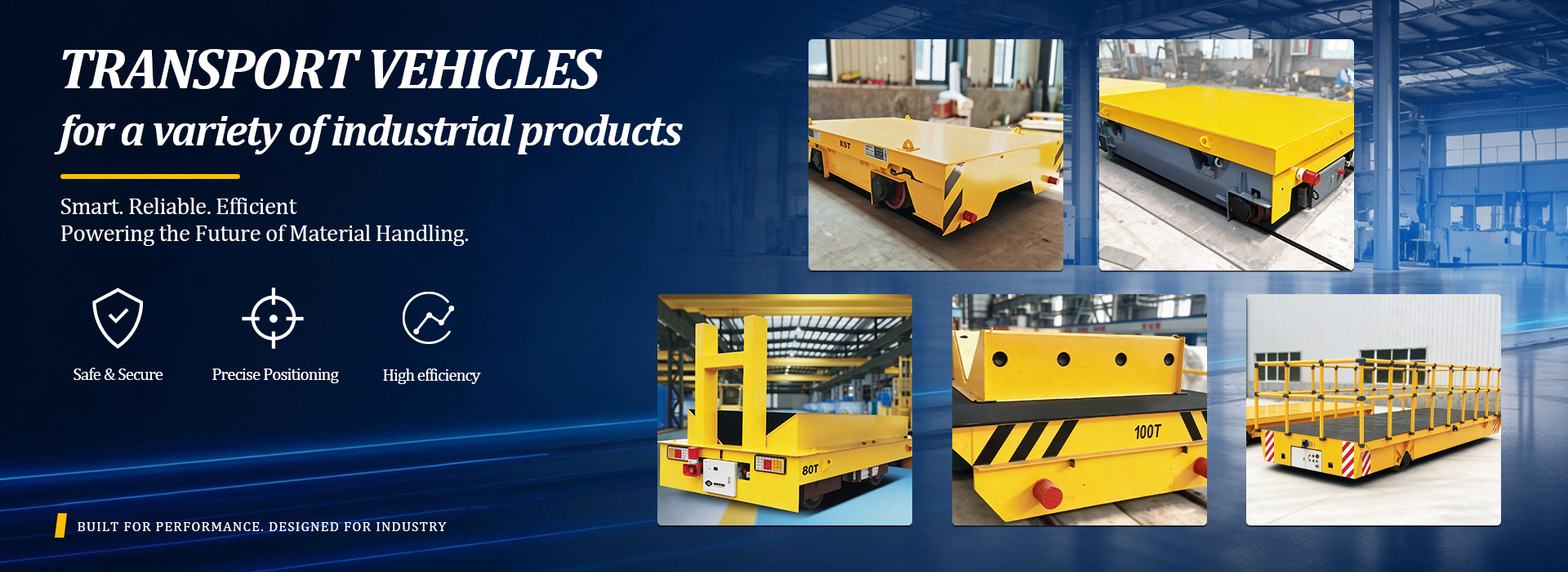
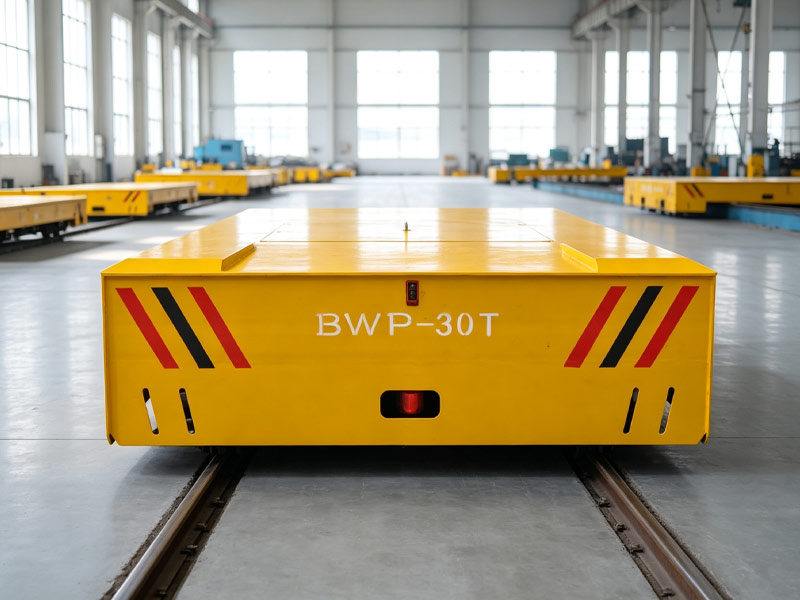
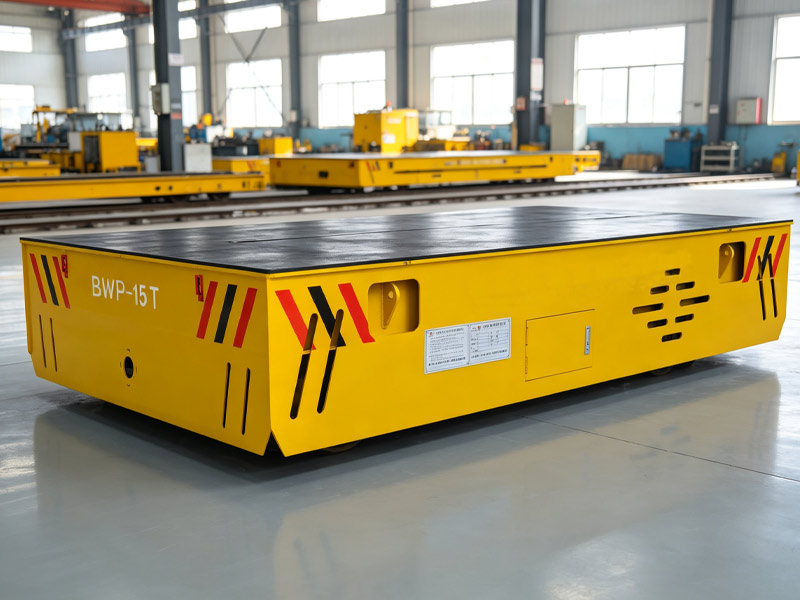
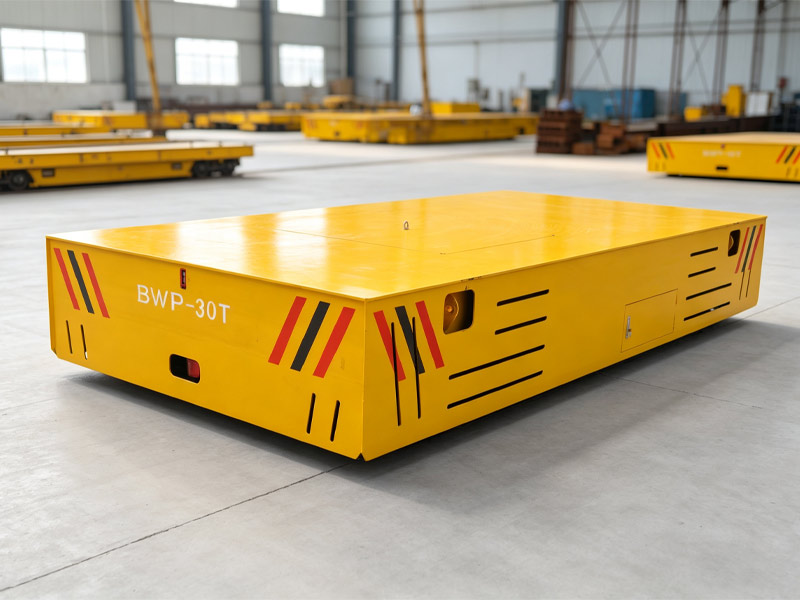
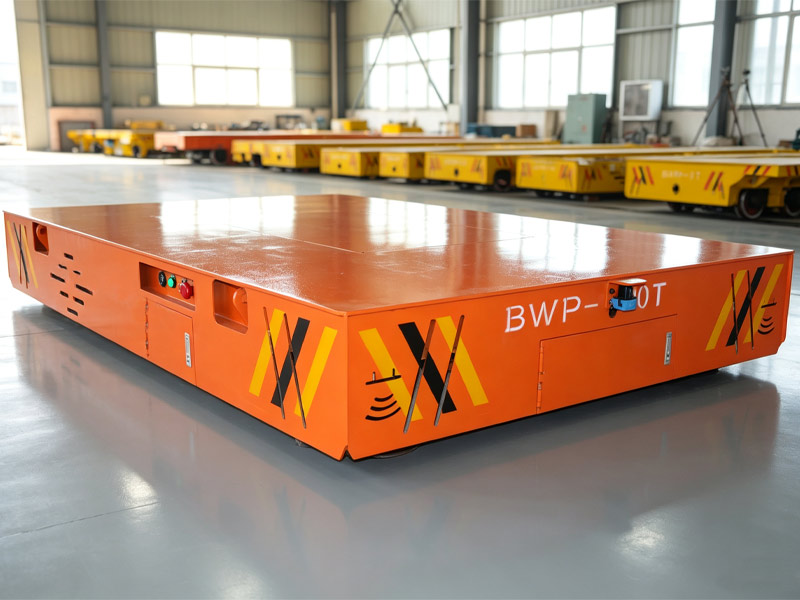
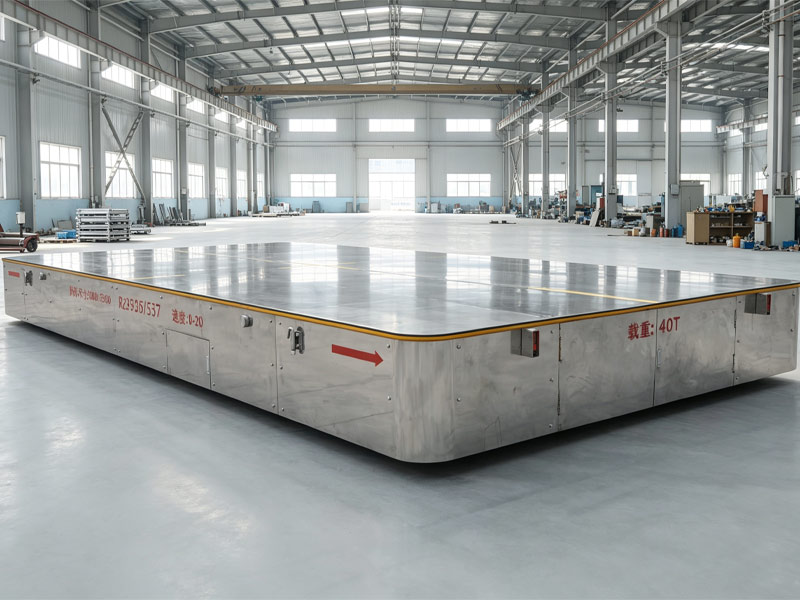
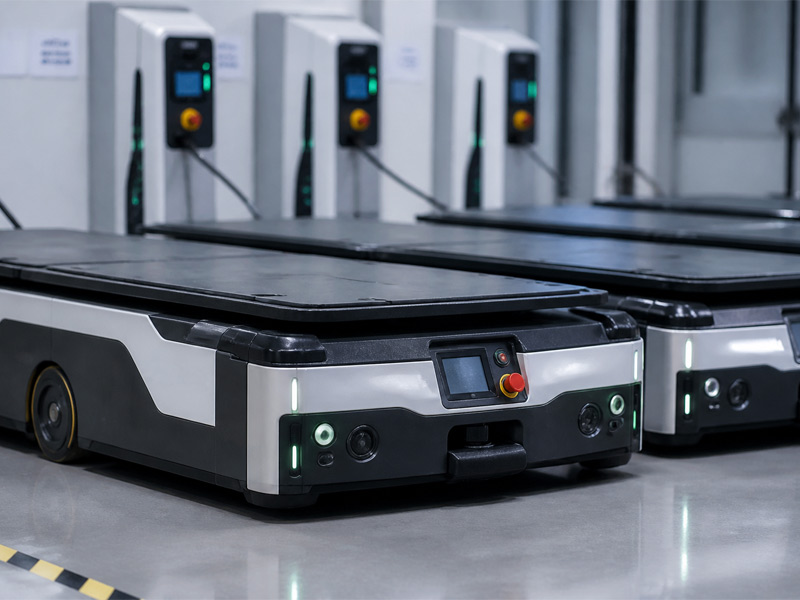
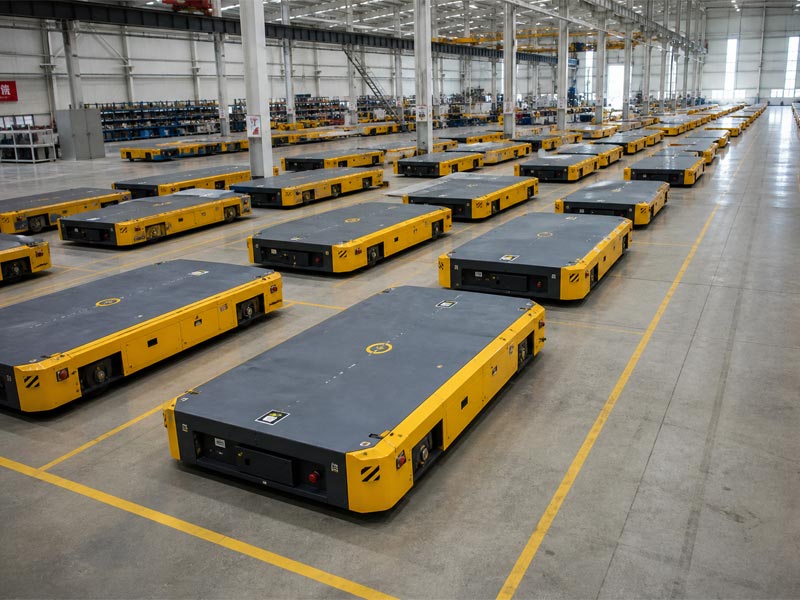
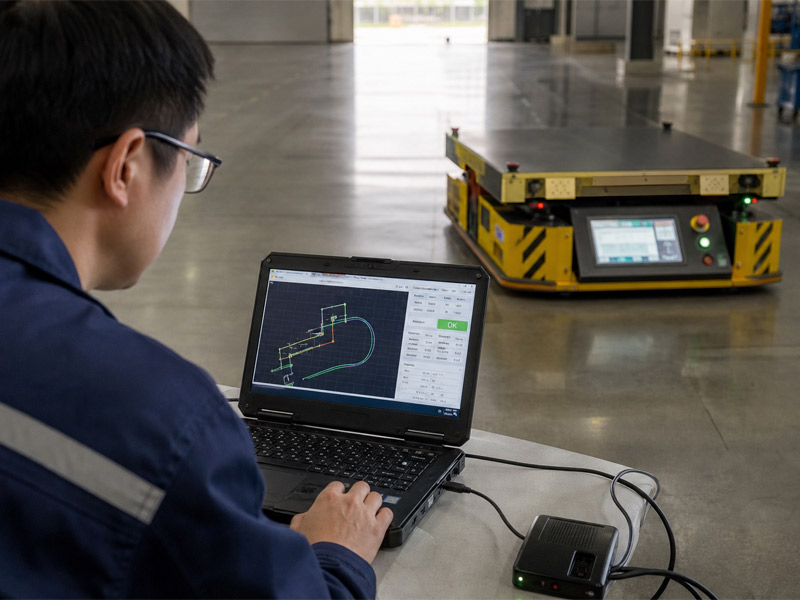
Specializing in heavy‑duty transfer carts, we strictly follow international standards and in‑house quality‑control systems throughout the full workflow — from design, raw‑material sourcing and manufacturing to final quality inspection. Every transfer cart is meticulously built with professional engineering to deliver reliable performance for your material‑handling projects.
FAQ
Q1: What is the maximum load capacity and customization range for your transfer carts?
Answer: We specialize in heavy-duty material handling with a load capacity ranging from 1 ton to over 1000 tons. All equipment—including table dimensions, height, and specific load-bearing structures—is custom-engineered to match your specific industrial requirements, such as handling oversized molds or heavy steel coils.
Q2: What are the primary differences and floor requirements for Trackless vs. Rail Transfer Carts?
Answer: Rail Transfer Carts follow a fixed path with extremely high stability for high-frequency workflows. Trackless Transfer Carts offer 360° maneuverability and require a level, hard-surface floor (typically concrete or epoxy). Our trackless models use high-strength polyurethane rubber wheels to protect the factory floor, subject to the specified load, wheel pressure and floor condition.
Q3: Which power supply mode is best suited for my facility (Battery, Rail, or Cable)?
Answer: The choice depends on travel distance, operating frequency, duty cycle, route and charging requirements. KPX (Battery) is suitable for flexible routes and areas without continuous power. KPD (Low-voltage Rail) is suitable for frequent, long-duration operation with continuous power. KPC (Sliding Contact Line) is optimized for high-intensity, multi-cart operation on fixed rails.The final configuration is confirmed against the project duty cycle and site conditions.
Q4: How do your AGV & RGV systems integrate with existing factory automation?
Answer: Our RGV (Rail Guided Vehicles) and AGV (Automated Guided Vehicles) can be equipped with PLC control and wireless communication modules. Depending on the project interface, they can exchange task, status and interlock signals with WMS, MES, PLC or other host systems. The communication protocol, data points and responsibility boundary are defined during engineering.
Q5: What safety features are integrated into your heavy-duty carts?
Answer: Safety functions are configured according to the cart type and risk assessment. Typical functions may include obstacle detection, sound and light alarms, emergency-stop buttons, travel limit protection, and dead-man control. Laser scanners, touch bars and other devices are applied when required by the layout and risk assessment; detection distance and automatic-stop behavior are project parameters.
Q6: Can the carts be customized for specialized loads like steel coils or molten ladles?
Answer: Yes. For coils and pipes, the deck can be fitted with fixed or removable V-shaped cradles, curved saddles and load stops designed around the load diameter, width and center of gravity. For ladle or other hot-load service, the cart requires a project-specific thermal design, which may include refractory or heat-insulating layers, heat shields, protected cables and high-temperature-rated drive components.
Q7: What is the typical turning radius for a Trackless Transfer Cart?
Answer: The minimum turning radius depends on the wheelbase, deck size, load and steering configuration. Conventional steerable carts have a finite turning radius; all-wheel steering reduces the required swept path, while selected omnidirectional or independently steered models can rotate about their center with a nominal zero turning radius. We confirm the swept-path envelope against the customer’s aisle and layout.
Q8: How do you ensure the durability of the carts in harsh industrial environments?
Answer: Frame material and structure are selected by load case and engineering calculation; common options include Q235B or Q355B welded frames and box-girder structures. Strength, deflection and fatigue are checked for the specified duty cycle. Drive brands such as SEW-EURODRIVE, NORD or approved equivalents can be specified as project options. Surface preparation and coating systems are selected for the operating environment and required corrosion protection.
Q9: What level of positioning accuracy can your RGV/AGV systems achieve?
Answer: Depending on the application, an AGV may use magnetic guidance, laser/LiDAR navigation, QR or RFID landmarks, and encoder feedback; an RGV normally uses rail guidance with encoder feedback and a secondary position-reference device. A stopping repeatability around ±5 mm can be engineered at defined docking stations when a high-accuracy positioning package and site calibration are included. The final positional and angular tolerances should be specified according to the selected system and verified in FAT/SAT.
Q10: Do you provide on-site installation and international after-sales support?
Answer: We provide the agreed technical documentation, such as general arrangement and installation drawings, electrical schematics, operation and maintenance manuals, and spare-parts lists. Remote commissioning support is available, while on-site installation, commissioning and operator training can be quoted when required. Warranty is project-specific—typically 12 months and extendable to 24 months—and its start date, component coverage, exclusions and service responsibilities are stated in the contract.
If you are interested, please contact us
E-mail:
Phone / WhatsApp / WeChat
Send Inquiry
Copyright © 2026 Design by Henan Universal Industrial Equipment Co.,Ltd. All rights reserved.